
✦ Fiqh – Course Details
Online Fiqh Course: Learn Islamic Jurisprudence with Al-Azhar Scholars | Noor Path
Build a strong understanding of Islamic jurisprudence through structured online Fiqh Islamic Jurisprudence classes led by qualified scholars. Learn the rulings of worship, daily life, and essential Islamic law at your own pace, from anywhere in the world.
- Flexible online learning that fits your schedule
- Certified Al-Azhar tutors with fluent English communication
- Clear, practical Fiqh lessons for beginners and advanced learners
No credit card required

500+
Students
Avg Rating
Certified
What Students Say About Our Fiqh Course
Are you practicing Islam with knowledge or just following habits?
Learn practical Islam for everyday life
Islamic rulings and guidance that apply to worship, family life, finances, and daily decisions.
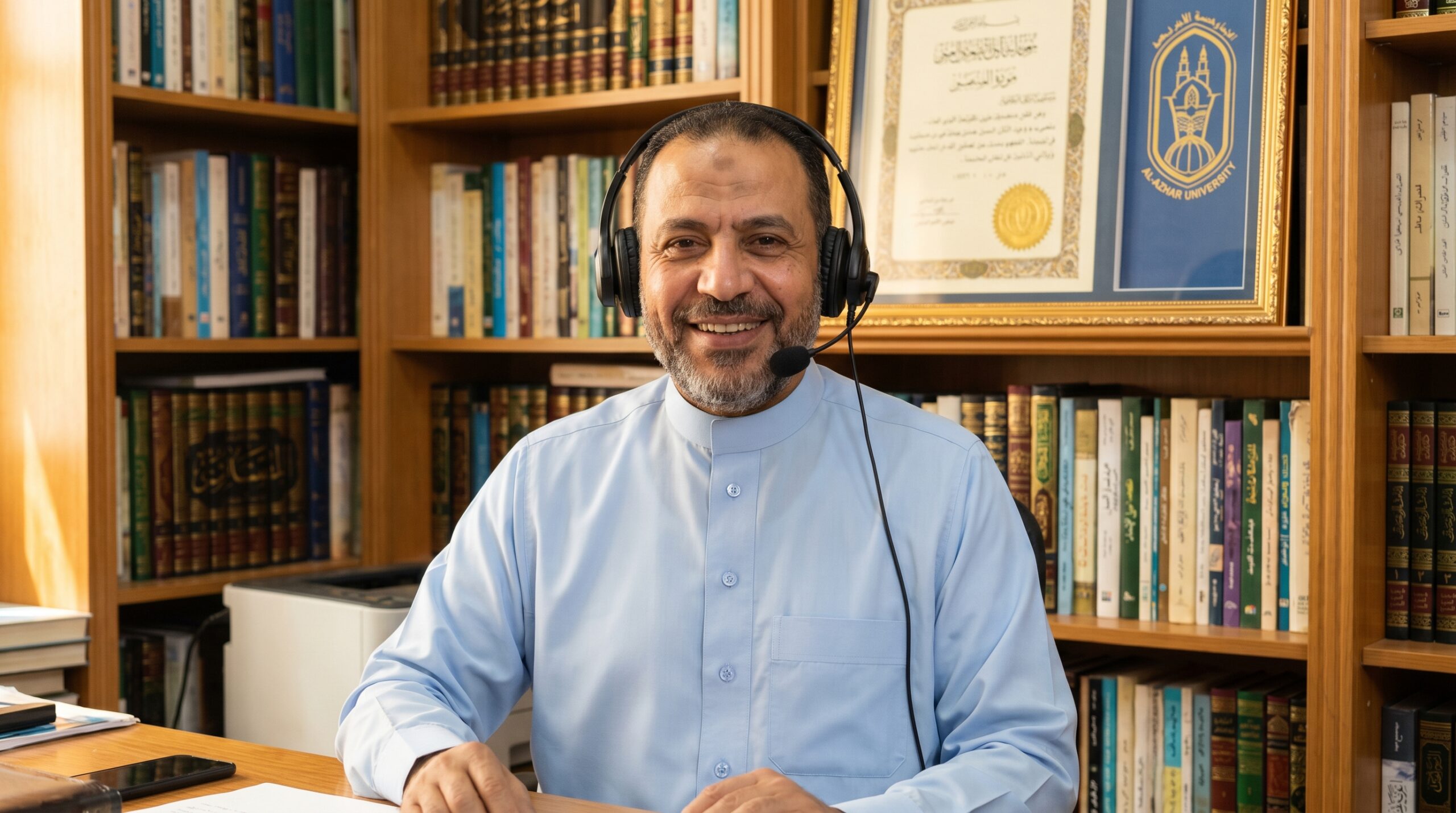
Study with Al-Azhar certified teachers
Qualified scholars who teach with authenticity, balance, and respect for Islamic scholarship.
Suitable for beginners and advanced students
Whether new to Islam or seeking deeper knowledge, we start from your level and guide you.
Personalized one-to-one learning
Individual attention, structured lessons, progress reports, and certificates as you advance.
Course overview
Fiqh Islamic Jurisprudence course
- 500+ students enrolled worldwide
- Serving 42+ countries - UK, USA, Canada & more
- Certificate of completion included
- 5.0 rating on Trustpilot
What Does Fiqh Mean? Understanding Islamic Jurisprudence
Before diving into any islamic jurisprudence courses, it helps to understand the term itself. Fiqh meaning, in its simplest form, is “deep understanding.” Linguistically and technically, fiqh refers to the human science of deriving practical religious rulings from the Quran and Sunnah — the process scholars use to answer questions like “how do I perform wudu correctly?” or “what makes a business contract halal?”
Fiqh is not a separate religion or a rigid rulebook. It is a scholarly methodology, built on four primary sources: the Quran, the Sunnah (the teachings and practice of the Prophet ﷺ), Ijma (scholarly consensus), and Qiyas (analogical reasoning). When you study fiqh studies with a qualified teacher, you’re learning how these four sources work together to produce the everyday rulings that shape a Muslim’s worship, family life, and financial dealings.
Fiqh vs. Sharia: What’s the Difference?
Many students use “Fiqh” and “sharia law” interchangeably, but they are not the same thing. Sharia refers to the complete, divine guidance revealed by Allah through the Quran and the Sunnah — it is fixed, comprehensive, and not subject to change. Fiqh, by contrast, is the human, scholarly effort to understand and apply that guidance to real, specific situations.
Think of it this way: Sharia is the destination; Fiqh is the map scholars have drawn, generation after generation, to help ordinary Muslims get there. This is also why you’ll encounter differing scholarly opinions (ikhtilaf) within Fiqh — different qualified scholars, using the same divine sources, sometimes reach different conclusions on secondary matters through legitimate, disciplined reasoning. This diversity is a recognized and respected feature of Islamic scholarship, not a flaw in the religion itself.
A Clear Path from Beginner to Fiqh Islamic Jurisprudence Mastery
- Level 1: Foundations of Fiqh Master the essential principles of Islamic jurisprudence and learn the sources of Fiqh rulings. You'll understand how scholars derive rulings from the Quran, Sunnah, Ijma, and Qiyas. This foundational knowledge prepares you to comprehend more complex jurisprudential discussions with confidence.
- Level 2: Worship & Purification (Ibadat & Taharah) Dive deep into the rulings of purification, prayer, fasting, Zakat, and Hajj. Learn the correct method for each act of worship, understand conditions of validity, and master how to handle exceptional circumstances. You'll gain certainty in your daily worship practices.
- Level 3: Transactions & Interpersonal Relations (Mu'amalat) Explore Islamic rulings on business transactions, contracts, marriage, divorce, inheritance, and financial matters. Understand how to conduct yourself in modern economic situations while adhering to Shariah principles. This level empowers you to make halal choices in your professional and personal life.
- Level 4: Contemporary Fiqh Issues Examine modern-day challenges through the lens of classical Fiqh principles. Study topics like Islamic finance, medical ethics, digital transactions, and social media conduct. Learn the methodology scholars use to address new issues not explicitly mentioned in classical texts.
- Level 5: Advanced Jurisprudence & Comparative Fiqh Analyze differences of opinion among the major madhahib (schools of thought) and understand the reasoning behind each position. Develop the ability to appreciate scholarly diversity while maintaining respect for authentic Islamic scholarship. This advanced level prepares you for lifelong learning and confident religious practice.

Confused by Complex Islamic Rulings on Your Own?
Living in the West offers opportunities, but finding structured, reliable Islamic education is a struggle. Many students try to learn Fiqh independently through random online searches, but face these common barriers:
You don’t need more time. You need a better system. Noor Path fits your life, not the other way around.
Beyond the Classroom: Reading Fiqh Lessons Online vs. Guided Study
If you’ve searched for lessons in islamic jurisprudence read online, you’ve likely found no shortage of articles, PDFs, and forum threads. Self-directed reading has real value — it builds vocabulary and curiosity — but it comes with three limitations that structured, live classes are specifically designed to solve:
- No verification loop. When you read alone, there’s no one to confirm you’ve understood a ruling correctly or applied it to your specific situation.
- No sequencing. Islamic jurisprudence builds in layers; jumping between unrelated articles on wudu, inheritance, and cryptocurrency without foundational Usul al-Fiqh knowledge often creates more confusion than clarity.
- No accountability. Reading is easy to abandon. A scheduled class with a real teacher and a real syllabus is far more likely to be completed.
Guided, one-to-one classes take the same core content you’d find in written lessons and add context, evidence, and a qualified scholar who can answer your specific questions — turning passive reading into active, retained understanding.
Our Proven 3-Step Method for Fiqh Mastery
More Than Just Learning Your Complete Islamic Transformation
Detailed Online Fiqh Course Curriculum
Module 1: Fundamentals of Islamic Jurisprudence (Usul al-Fiqh)
This foundational module introduces you to the science of Fiqh and its methodology. Perfect for beginners and those seeking to strengthen their understanding of how Islamic rulings are derived. This knowledge is essential for appreciating the wisdom and flexibility of Shariah.
What You Will Learn:
- The definition, history, and importance of Fiqh in Islamic sciences
- The four primary sources of Islamic law: Quran, Sunnah, Ijma (consensus), and Qiyas (analogical reasoning)
- The role of Ijtihad (independent reasoning) and when it applies
- Understanding the difference between fard, wajib, sunnah, mustahab, makruh, and haram
- Introduction to the four major schools of thought (Hanafi, Maliki, Shafi’i, Hanbali)
- How to properly research and verify Islamic rulings
Outcome: You’ll develop a scholarly framework for understanding Islamic law and gain the tools to evaluate the authenticity and strength of various Fiqh opinions.
Fundamentals of Islam and Why They Matter
Fiqh doesn’t stand alone — it rests on the broader fundamental of islam: the six articles of faith (belief in Allah, His angels, His books, His messengers, the Last Day, and divine decree) and the five pillars of practice (the testimony of faith, prayer, fasting, Zakat, and Hajj). Module 1 briefly grounds students in how these fundamentals connect to Fiqh before moving into the four sources of Islamic law, ensuring beginners aren’t memorizing rulings in a vacuum but understanding why those rulings exist.
Module 2: Rulings on Purification and Prayer (Taharah & Salah)
This module provides comprehensive coverage of the most frequently practiced acts of worship. Designed for Muslims who want absolute clarity in their daily rituals, it addresses common questions and misconceptions about purification and prayer.
What You Will Learn:
- Complete rulings on wudu, ghusl, and tayammum with their conditions and nullifiers
- How to handle situations involving impurities and purification challenges
- Detailed breakdown of prayer: conditions, pillars, obligations, and recommended acts
- Rulings on congregational prayer, Friday prayer, and Eid prayers
- How to pray when traveling, sick, or facing other exceptional circumstances
- The Sunnah prayers and their virtues
Outcome: You’ll pray with complete confidence, knowing your worship is valid and accepted. You’ll be able to handle any situation that affects your prayer and guide others in proper prayer etiquette.
Module 3: Fasting, Zakat, and Hajj (The Remaining Pillars)
Deepen your understanding of the major acts of worship that occur annually or once in a lifetime. This module is essential for those preparing for Ramadan, calculating Zakat, or planning for Hajj, ensuring you fulfill these obligations correctly.
What You Will Learn:
- Conditions for obligatory fasting and what invalidates a fast
- Rulings on making up missed fasts and kaffarah (expiation)
- Comprehensive Zakat calculation for various types of wealth (cash, gold, silver, business assets, livestock)
- Who is eligible to receive Zakat and proper distribution methods
- Conditions of Hajj and Umrah with step-by-step ritual guidance
- Common mistakes during Hajj and how to avoid them
Outcome: You’ll fulfill these major obligations with confidence and precision. You’ll accurately calculate and distribute your Zakat and perform Hajj or Umrah correctly if Allah grants you the opportunity.
Module 4: Islamic Transactions and Social Relations (Mu'amalat)
Navigate the modern world while adhering to Islamic principles. This practical module addresses real-world scenarios involving money, business, marriage, and social interactions, essential knowledge for every Muslim living in contemporary society.
What You Will Learn:
- Halal and haram in business transactions and the prohibition of riba (interest)
- Islamic contracts: conditions for validity and types of permissible agreements
- Rulings on modern financial instruments: mortgages, insurance, stocks, and cryptocurrency
- Marriage: conditions, rights, responsibilities, and proper conduct
- Divorce: types, procedures, and reconciliation in Islamic law
- Inheritance: understanding the Islamic distribution system for estates
Outcome: You’ll conduct your business, financial dealings, and personal relationships in a manner fully compliant with Shariah. You’ll make informed decisions about investments, contracts, and family matters with confidence.
Module 5: Contemporary Issues and Advanced Topics
Apply classical Fiqh principles to modern challenges facing Muslims today. This advanced module is for students ready to engage with complex contemporary issues through the lens of authentic Islamic scholarship, building upon all previous modules.
What You Will Learn:
- Islamic medical ethics: organ donation, end-of-life care, genetic engineering
- Digital age Fiqh: cryptocurrency, NFTs, online business, social media conduct
- Islamic finance in depth: sukuk, Islamic banking, ethical investing
- Environmental ethics in Islam and contemporary conservation issues
- Muslim minorities: living in non-Muslim countries and adapting worship practices
- The methodology for deriving rulings on new issues not addressed in classical texts
Outcome: You’ll possess the critical thinking skills to evaluate new situations through an Islamic framework. You’ll understand how timeless Shariah principles apply to our rapidly changing world and feel equipped to practice Islam authentically in any context.
Learn from Certified Fiqh Experts
Student Testimonial
Why Choose Noor Path for Your Arabic Course?
- Certified Scholars with Ijazah
- Flexible Scheduling That Fits Your Life
- Evidence-Based Learning
- Interactive Live Classes
- Comprehensive Digital Resources
- Supportive Learning Community
Common Mistakes Students Make When Studying Fiqh Independently
- Skipping Usul al-Fiqh (the foundations). Jumping straight to rulings without understanding how they’re derived leads to confusion when scholars disagree.
- Treating one online fatwa as final. A single search result rarely captures the full context, conditions, or scholarly differences behind a ruling.
- Mixing madhhabs without guidance. Combining rulings from different schools of thought inconsistently (sometimes called “cherry-picking” or talfiq) can create contradictions in practice; a qualified teacher helps you apply a school’s methodology coherently.
- Assuming all Fiqh questions have one universal answer. Many secondary issues have legitimate scholarly disagreement — the goal is informed practice within a recognized school, not anxiety over finding a single “correct” opinion on every matter.
Frequently Asked Questions About Our Online Fiqh Course
What is an online Fiqh course?
An online Fiqh course teaches Islamic jurisprudence, the understanding of Islamic law derived from the Quran and Sunnah, through virtual classes. Students learn rulings on worship, transactions, and contemporary issues from certified scholars via live video sessions and structured curriculum.
Do I need prior Islamic knowledge to start?
No prior knowledge is required. Our curriculum begins with foundational concepts and progressively builds to advanced topics. Whether you’re a complete beginner or have some background, our tutors adapt to your level.
How long does the complete Fiqh course take?
The comprehensive program typically takes 12-18 months to complete, depending on your pace and schedule. Each module can be studied individually, and you can progress as quickly or slowly as your circumstances allow.
How much does the online Fiqh course cost?
We offer flexible payment plans to make Islamic education accessible. Contact us for current pricing and available scholarships. We believe financial constraints shouldn’t prevent anyone from learning their religion.
Do I need prior Islamic knowledge to start?
No. The course is structured to begin from your current level. Beginners start with Module 1’s foundational concepts, while students with prior knowledge can be assessed and placed into a more advanced level after their free trial class.
How long does the complete Fiqh course take?
Course length varies by student pace, prior knowledge, and weekly class frequency, since all classes are one-to-one. Most students progress through the five levels over several months to a year with consistent weekly attendance; your tutor will set a personalized pace after your trial class.
How much does the online Fiqh course cost?
Pricing depends on class frequency, session length, and the level you enroll in. The free trial class includes a personalized assessment, after which your tutor will recommend a schedule and provide exact pricing for your chosen plan.
What is the difference between Fiqh studies and general Islamic studies?
Fiqh studies focus specifically on practical legal rulings — how to perform acts of worship correctly and how to conduct transactions in line with Shariah. General Islamic studies is a broader umbrella that also includes Aqeedah, Tafsir, Hadith, and Arabic language. Many students study Fiqh as their core focus while touching on these related subjects along the way.
Are online islamic jurisprudence courses as effective as in-person study?
Yes, when they include live, one-to-one instruction with a qualified scholar rather than pre-recorded content. The core elements of effective Fiqh education — direct teacher access, correction, and Q&A — translate well to a live video format, and often allow for more flexible, consistent scheduling than in-person seminary hours.
Our 100% Satisfaction Promise
If you are not happy after your first week of paid classes, we will refund your money with no questions asked.
Explore More: Islamic Lecture Topics & Recommended Study Resources
Fiqh doesn’t exist in isolation — it’s one branch of the broader Islamic sciences. If you’re building a well-rounded foundation, these related islamic lecture topics pair naturally with a structured Fiqh course:
- Aqeedah (Islamic Creed) — the foundational beliefs that underpin why the rulings of Fiqh matter in the first place.
- Tafsir (Quranic Exegesis) — understanding the verses from which many Fiqh rulings are derived.
- Hadith Sciences — learning how scholars authenticate the Prophetic traditions used as a primary source of Fiqh.
- Arabic Language — even a working knowledge of Quranic Arabic significantly deepens your ability to follow scholarly reasoning.
For students who enjoy reading alongside their classes, classical and contemporary islamic studies books — such as introductory Usul al-Fiqh primers or translated fiqh manuals from your madhhab of choice — make excellent companion resources. Ask your tutor for recommendations suited to your level and school of thought.
Give Your Islamic Learning Excellence It Deserves